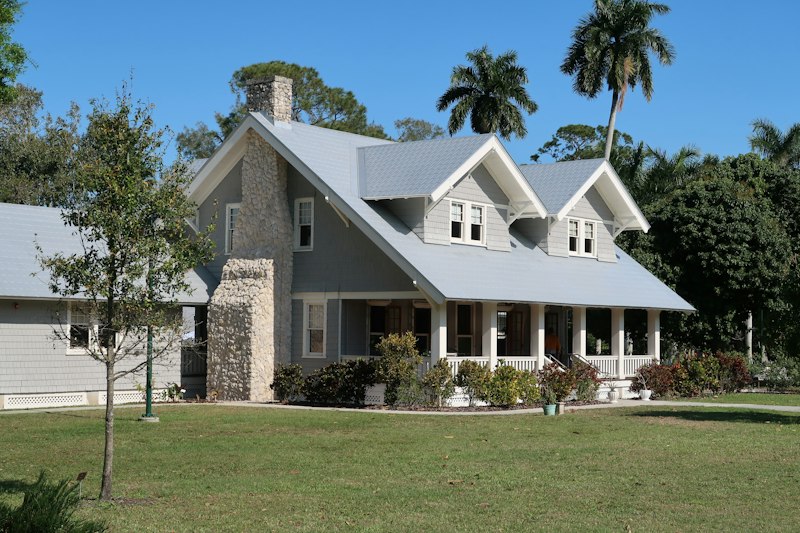
One of the most common questions from prospective buyers is what it actually costs to live in Ocala on a day-to-day basis. The housing value proposition is well documented, but the complete financial picture includes taxes, insurance, utilities, groceries, healthcare, and the miscellaneous expenses that constitute daily life. Here is a realistic assessment.
Housing is where Ocala's cost advantage is most visible. Comparable luxury homes generally cost meaningfully less in Ocala than in Sarasota, Naples, or the Palm Beaches, largely because land costs less here. The precise gap depends on the property type, so compare recent sold data for the kind of home you want in both markets.
Property taxes in Florida are based on assessed value and the millage rates set by the county, school board, and other taxing authorities. Primary residents can apply for the homestead exemption, and once homesteaded, annual increases in assessed value are capped at 3 percent or the change in the Consumer Price Index, whichever is lower. The Marion County Property Appraiser's website offers a tax estimator; use it with your target purchase price rather than the seller's current bill, which may reflect a homestead cap that resets at sale.
Insurance is a significant line item anywhere in Florida. Ocala's inland location generally means lower wind and storm surge exposure than the coast, but premiums depend on the home's age, roof, construction type, wind mitigation features, and the carrier. Request a quote early in your search, not after you are under contract. Flood insurance requirements depend on the property's flood zone and your lender; many Ocala properties sit outside high-risk zones, but river-adjacent and low-lying parcels may require coverage.
Utilities vary with home size, pool equipment, and how the house is built. Summer air conditioning drives the electric bill, so ask sellers for 12 months of utility history. Many acreage properties use a private well and septic system instead of municipal water and sewer, which shifts costs from monthly bills to periodic maintenance. Internet options vary by location; confirm availability at the specific address, especially on rural parcels, before you buy.
Groceries and everyday services are widely available, with Publix, Aldi, and other major chains well represented, and many residents find local service costs lower than in large metros. The dining scene is smaller than in metro areas but includes several good restaurants. Healthcare is anchored by two local hospital systems, with UF Health Shands in Gainesville about 40 minutes north for specialized treatment.
The most reliable way to measure Ocala's cost of living for your household is to build a side-by-side budget: your current housing, taxes, insurance, utilities, and services in one column, and real quotes for your target Ocala home in the other. That exercise answers the question more accurately than any published index, and your CPA can layer in the income tax differences if you are moving from another state.