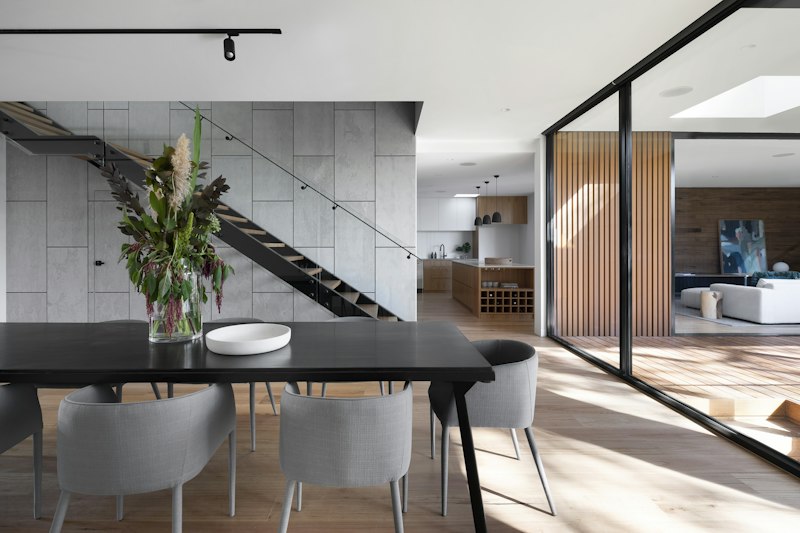
Pricing a luxury home combines analysis and judgment. The analysis is comparable sales, current competition, and an honest read of your home's strengths and weaknesses. The judgment is understanding how a luxury buyer compares your home with every other path available at the same budget.
Overpricing is the most expensive mistake at this level. The buyer pool for a luxury home is smaller, every buyer can see how long a listing has been active, and a price that is clearly above the market keeps the right buyers from scheduling a showing at all. When a reduction finally comes, the listing has lost its newness, and buyers begin to wonder what is wrong with it. The first price is the most important one.
Comparable sales are the foundation, but luxury comps take interpretation. Your home may have features that no recent sale shares: a barn and arena, a detached guest house, a custom pool and outdoor kitchen, or an unusual lot. Adjusting for those differences requires local knowledge of what buyers in your segment actually pay for. An automated estimate cannot make those adjustments well, and neither can a comparison drawn from a different community.
Look at the right evidence. Ask for closed sales of comparable homes in your community or setting over a recent period, the active listings you will compete with now, and the homes that failed to sell, along with their final price before withdrawal. Expired and withdrawn listings tell you where buyers drew the line.
Condition and presentation move value more at the top of the market. A luxury buyer who sees dated finishes or deferred maintenance starts subtracting the cost and the hassle of fixing them, usually at a premium. Either address those items before listing or price with them clearly in mind.
Consider the competitive set beyond active listings. A buyer at your price point in Ocala may be choosing among a resale home in a gated golf community, a newer home on acreage, a custom build, or a home in another community entirely. Your price should position your home as the clear best choice within that set.
Plan for appraisal if your buyer will finance. If the price cannot be supported by comparable sales, a lender's appraisal may come in short and reopen negotiations. Building your price on defensible comparables reduces that risk.
Then let the market talk. In the first few weeks, watch showing requests, online engagement, and agent feedback. Strong interest with no offers often points to condition or presentation. Little interest at all usually points to price. Agree with your agent in advance on what activity you expect and what you will do if it does not appear, so decisions are made on evidence rather than emotion.