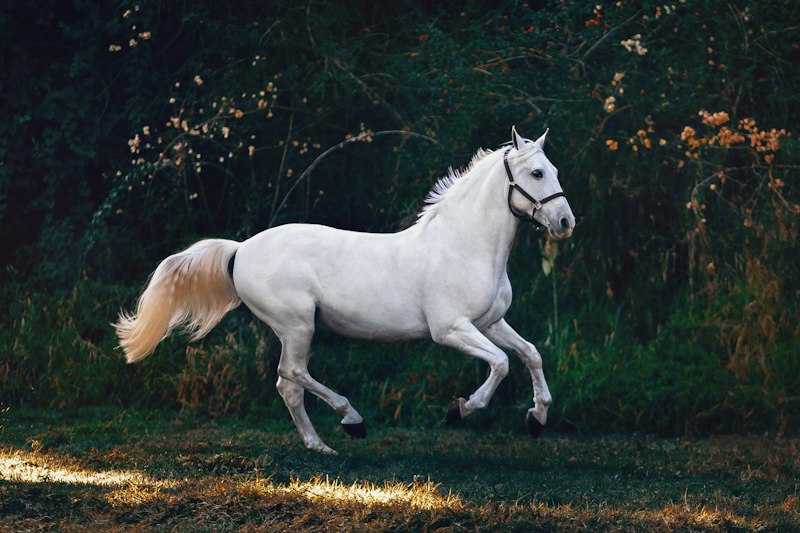
Ocala and Marion County market themselves as the Horse Capital of the World, and the claim rests on a real industry: thoroughbred breeding and training farms, major competition venues, and a deep network of professionals who serve horses and their owners. For homebuyers, understanding that ecosystem explains much of the local real estate landscape, even for buyers who will never own a horse.
The World Equestrian Center is the most visible piece. Opened in 2021 on the west side of Ocala along SR 40, it hosts hunter and jumper, dressage, western, and breed shows in covered and outdoor arenas, with an on-site hotel, restaurants, shops, and an expo center. Its winter season draws competitors from across the country for extended stays, and its calendar of non-horse events brings in a broader audience. Areas near WEC have seen strong residential and commercial interest since it opened.
Other venues add depth. HITS Post Time Farm in northwest Ocala has a long history as a hunter and jumper show grounds. The Florida Horse Park, south of Ocala off CR 475, hosts eventing, driving, and other disciplines on state-owned land next to the Cross Florida Greenway. Live Oak International has hosted combined driving and show jumping in Ocala for years. Together with private show grounds and training centers, these venues give riders in nearly every discipline a reason to be here.
The thoroughbred industry is the foundation. Marion County has produced champions for decades, including Needles, the first Florida-bred Kentucky Derby winner in 1956, and Triple Crown winner Affirmed, foaled at Harbor View Farm in Ocala. The Ocala Breeders' Sales Company holds well-known auctions, including two-year-olds-in-training sales that draw buyers from around the world. Breeding farms, training centers with their own tracks, and the businesses that support them are spread across the county.
Veterinary and support services are deep. Ocala has private equine practices and equine hospitals, and the University of Florida's Large Animal Hospital in Gainesville is about an hour north. Farriers, equine dentists, bodywork practitioners, nutritionists, feed and hay suppliers, tack shops, and horse transport companies are all close at hand.
What it means for buyers. The industry creates distinct real estate submarkets: working farms in northwest Marion, estates and farms near WEC, and eventing-oriented properties near the Florida Horse Park. It shapes traffic during big show weeks, supports restaurants and services on the west side, and gives the region its open, pastoral character. For buyers of equestrian property, a concentrated industry means a deeper pool of future buyers who understand the value of a barn and good fencing. It does not guarantee values, which still depend on the broader economy and the specific property.
If you are not a horse owner, the industry still adds to daily life: green pastures and board fences along the drive, a calendar of events open to spectators, and a community that values land and open space.