Understanding Ocala's climate is essential for anyone considering a move, because the weather directly shapes how you use your home, your property, and your community. This is not a tourism brochure; it is an honest assessment of what each season delivers and how locals adapt.
Winter in Ocala, roughly November through March, is the prime season. Daytime highs in the 60s and 70s, cool mornings in the 40s and 50s, and lower humidity create ideal conditions for golf, riding, and outdoor dining. Frost is possible but infrequent, typically a handful of mornings per winter. Snow is effectively nonexistent. This is the season when the equestrian competition calendar peaks and the area's communities are most socially active.
Spring, April through May, is the transition. Temperatures climb into the 80s, humidity begins to build, and the first afternoon thunderstorms appear. The landscape is at its greenest, and the days are long enough for extended outdoor activity. This is an excellent time to tour communities and evaluate properties because the weather is pleasant enough to spend extended time outdoors while previewing the building heat.
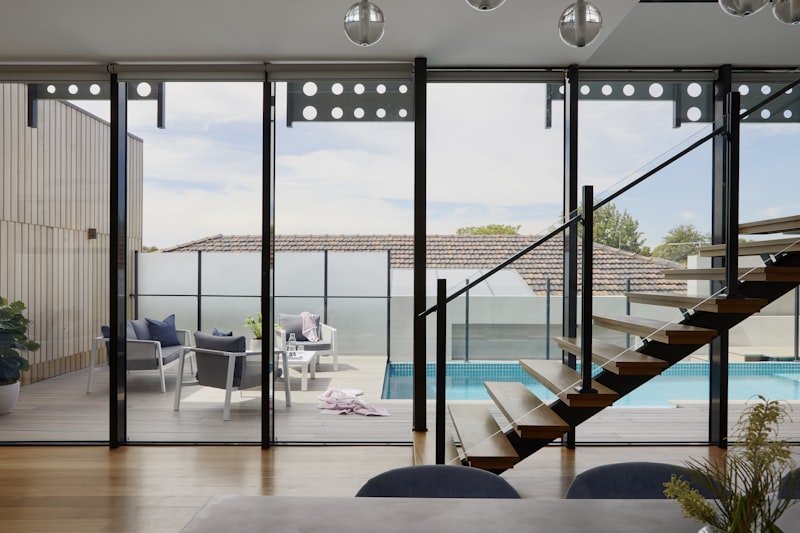
Summer, June through September, is the challenging season. Daytime highs consistently reach the low to mid 90s, and humidity makes the heat feel more intense. Afternoon thunderstorms are a near-daily occurrence, typically arriving between 2:00 and 5:00 PM, delivering heavy rain for 30 to 60 minutes before clearing. Outdoor activity shifts to mornings and evenings, and the pool and covered lanai become the most used spaces in the home. This is why luxury homes in Ocala invest heavily in outdoor living infrastructure: covered areas, ceiling fans, misting systems, and pool environments are not luxuries but necessities.
Fall, October through November, brings relief. Humidity drops, temperatures moderate into the 70s and 80s, and the afternoon storm pattern fades. This is arguably the most comfortable season in Ocala, combining warmth with low humidity and clear skies.
Hurricane season runs from June 1 through November 30, and Ocala is not hurricane-free. Its inland location, roughly an hour from the Gulf and farther from the Atlantic, keeps it away from coastal storm surge, and storms typically weaken somewhat as they move over land. Even so, tropical systems can bring damaging wind, heavy rain, downed trees, and extended power outages to Marion County; Hurricane Irma in 2017 is a recent example. Tornadoes are possible, most often embedded in tropical systems or strong fronts.
That reality shapes how luxury homes here are built and equipped. Impact-rated windows and doors, a roof in good condition with documented wind mitigation features, a whole-home generator with an automatic transfer switch, and mature trees that have been professionally evaluated and trimmed are all worth prioritizing. Ask for the wind mitigation report on any home you consider, since it affects both resilience and insurance premiums, and talk with a licensed insurance agent about coverage before you are under contract.