Whether to renovate before selling is one of the most consequential decisions a luxury seller makes. The right answer depends on what the work costs, how long it takes, how buyers in your segment will react, and how much risk you are willing to carry. Many renovations do not return their full cost at sale, so the goal is to choose the work that removes buyer objections, not the work you would do for yourself.
Separate updates from renovations. An update refreshes what is there: new cabinet hardware, lighting, paint, plumbing fixtures, or appliances. A renovation changes layout or structure: moving walls, relocating plumbing, or adding space. Updates are faster, more predictable, and easier to match to broad taste. Renovations take longer, cost more, and introduce design choices a buyer may not share.
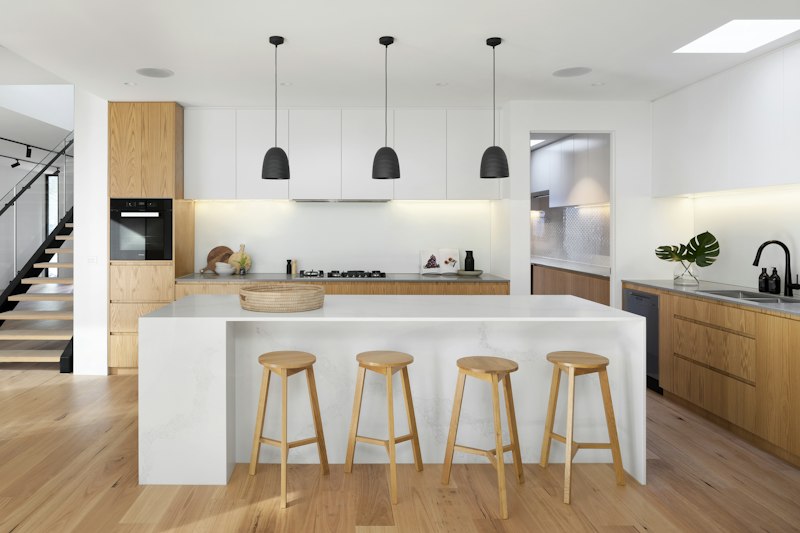
Kitchens. A dated kitchen in a luxury home draws immediate attention. Targeted updates such as new counters, appliances, hardware, and lighting can change the impression substantially without a full remodel. A complete gut renovation is a larger bet and may not be recovered in the price. Get quotes for both approaches and ask your agent how comparable homes with updated and original kitchens have sold.
Primary bath. Similar logic applies. New fixtures, a frameless glass enclosure, updated vanity tops, and fresh lighting often deliver more value per dollar than a full reconfiguration.
Pool and outdoor living. In Ocala, a stained or rough pool surface and torn screens are among the first things buyers notice. These items are usually straightforward to price and complete, and they address common objections. Compare the cost of the work with how buyers are likely to discount for it.
Roofs and major systems. An aging roof or failing HVAC affects insurance and financing, not just appearance. Sometimes replacement makes sense before listing so the home can be insured and financed easily. Other times a price adjustment or credit is simpler. Ask an insurance agent how the roof's age affects coverage, and discuss the options with your agent.
What to avoid. Room additions, major structural changes, and highly personal design choices rarely make sense right before a sale. They take time, create permitting and contractor risk, and can push your listing out of the season you were targeting.
A simple framework helps. Renovate when the cost is modest, the work removes a clear buyer objection, and it can be completed and permitted before your target launch date. Sell as-is with a price that reflects condition when the work is major, the timeline is uncertain, or buyers in your segment are likely to want to make their own choices. Whatever you decide, disclose known issues as Florida law requires.
Before committing, get written contractor quotes and timelines, confirm permit requirements, and ask your agent for comparable sales of updated and unupdated homes. For tax questions about improvement costs, talk with your CPA.